
Unlock Your Dream Home:
Get Pre-Approved Today!
Take the first step towards homeownership with our quick and easy mortgage pre-approval process. Start your journey to the perfect home today!

Your Home, Your Future: Find the Perfect Mortgage Solution
Whether you are a first-time home buyer or an advanced real estate investor, an experienced mortgage broker can help you find the right mortgage. There are so many mortgage options depending on the property type, your financial or life situation and your financial goals.
We can help you purchase
First-time home buyer
Second-time home buyer
Investment property
Second home/vacation home purchase
What is Mortgage Pre-approval?
When it comes to buying a home, mortgage pre-approval is an essential step in the process. However, understanding what it means to get a mortgage pre-approved is crucial. Essentially, pre-approval is a financial check-up conducted by a mortgage lender. Its purpose is to assess your eligibility for a home loan and determine the amount you can borrow. This process entails a comprehensive examination of your finances, including factors such as your credit score, income, and debt levels.
The main benefit of pre-approval is that it provides a clear understanding of your price range. By knowing how much you can afford to borrow, you can effectively focus your home search on properties within your budget. Consequently, this saves time and guarantees that you’re considering homes that are realistically within your reach.

Why get a mortgage pre-approval?
Know your budget: Mortgage pre-approval helps you understand how much you can afford to borrow, allowing you to set a realistic budget for your home search.
Increased confidence: With pre-approval in hand, you can confidently make offers on homes, knowing that you are a serious and qualified buyer.
Faster homebuying process: Pre-approval speeds up the homebuying process as the initial financial evaluation is already completed, reducing the time spent on mortgage approval after finding the right home.
Negotiation power: Sellers are more likely to consider offers from pre-approved buyers, giving you an advantage in negotiations.
Avoid disappointment: Home purchase pre-approval helps you avoid falling in love with a home beyond your financial reach, preventing potential disappointment later in the process.
Rate protection: Pre-approval may offer rate protection for a specified period, safeguarding you against potential interest rate increases.
Identify potential issues: During the pre-approval process, any potential issues or obstacles in obtaining a mortgage can be identified early on, giving you time to address them.
Have Questions?
Get quick answers to your questions!

Please fill out the form below to help us better understand your needs. We look forward to assisting you.
What is the home purchase process

1. Get a mortgage pre-approval
The first step is to obtain a pre-approval from a lender, which determines the maximum amount you can borrow based on your financial situation, giving you a budget and demonstrating your seriousness as a buyer.

2. Search a house you love and get your offer accepted
With your pre-approval in hand, you can confidently embark on the search for homes within your budget. Transitioning into this stage, you will carefully consider various factors such as location, size, amenities, and suitability to your needs. To find the right property, you will collaborate with a real estate agent who will guide you throughout the process.
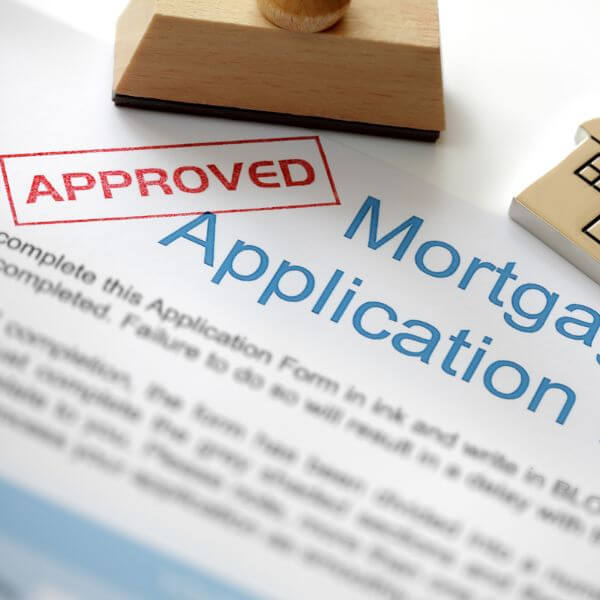
3. Get a mortgage approved by a lender
Once you find a home, you submit a mortgage application to a lender who reviews your financial documents, appraises the property, and assesses your eligibility. Upon approval, the lender offers you a mortgage with specific terms and conditions.

4. Closing
During the closing stage, the finalization of the purchase transaction takes place. Firstly, you will review and sign the necessary legal documents. Then, the payment of closing costs will be required, and the ownership transfer will occur. At this stage, funds from your lender as well as your down payment will be disbursed. Finally, you will be handed the keys to your new home, marking the completion of the entire process.
Call Us for a No Obligation Consultation Today
Get a professional advice on your mortgage and learn more about your mortgage options!
Things you should keep in mind when you purchase a home
You may be eligible for government incentives
Mortgage pre-approval is not an approval
Estimate your closing costs
Do not forget to get insurance before the closing date

FAQ for Home Purchase Mortgage
What are the minimum requirements to qualify for a home purchase mortgage?
The minimum requirements to qualify for a home purchase mortgage can differ based on various factors, including credit score, income, employment history, and the loan amount. In general, lenders seek applicants with a stable income, a positive credit history, a reasonable debt-to-income ratio, and the ability to provide a down payment.
What factors determine the interest rate on a home purchase mortgage?
Multiple factors can impact the interest rate of a home purchase mortgage. These factors encompass the borrower’s creditworthiness, the loan term, the size of the down payment, prevailing market rates, and the chosen mortgage type. Generally, a higher credit score, a larger down payment, and a lower loan-to-value ratio (less than 65%) are linked to a lower interest rate.
How much down payment do I need for a home purchase mortgage?
The down payment required for a home purchase mortgage can vary but is often a percentage of the home’s purchase price. In Canada, a minimum down payment of 5% is typically required, although a higher down payment may be needed to avoid mortgage default insurance.
What are the closing costs associated with a home purchase mortgage?
Closing costs associated with a home purchase mortgage include various fees such as appraisal fees, legal fees, title insurance, property transfer taxes, and property tax adjustments. These costs typically range from 1.5% to 4% of the home’s purchase price and are paid at the time of closing.
Can I get a home purchase mortgage with bad credit?
While it may be more challenging, it is indeed possible to obtain a home purchase mortgage with bad credit. Borrowers facing lower credit scores will likely encounter additional requirements. These may include providing a larger down payment, showcasing stable employment and income, and potentially accepting a higher interest rate.
How long does the home purchase mortgage process typically take?
The home purchase mortgage process generally spans from 30 to 45 days, extending from the initial application to the closing stage. However, it’s important to note that the timeline is subject to variation based on several factors. These factors include the complexity of the transaction, the responsiveness of the borrower, and the efficiency demonstrated by the lender and other involved parties.